Our Students Say They Feel Free: Outdoor Learning with Kyra Stephenson
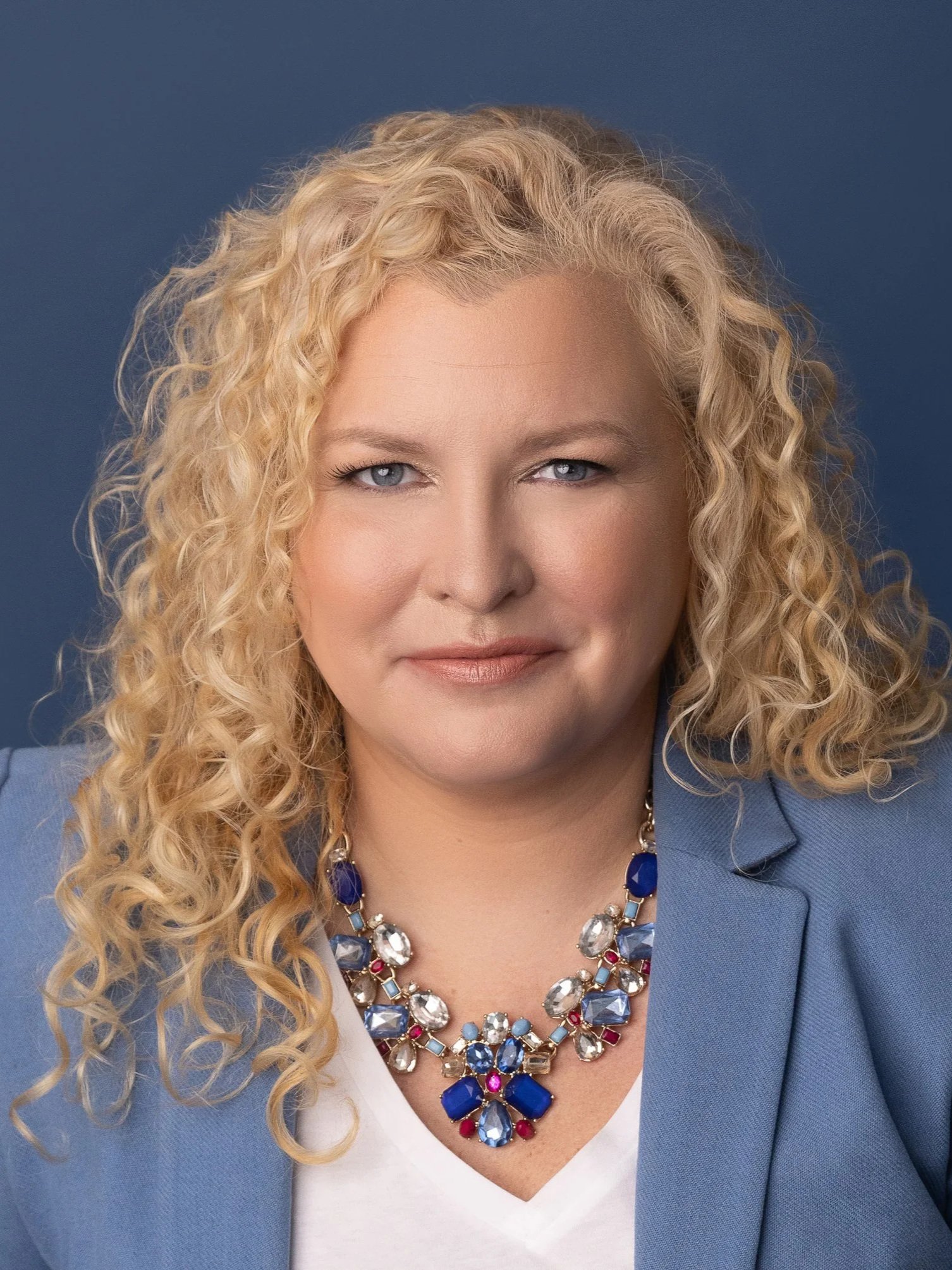
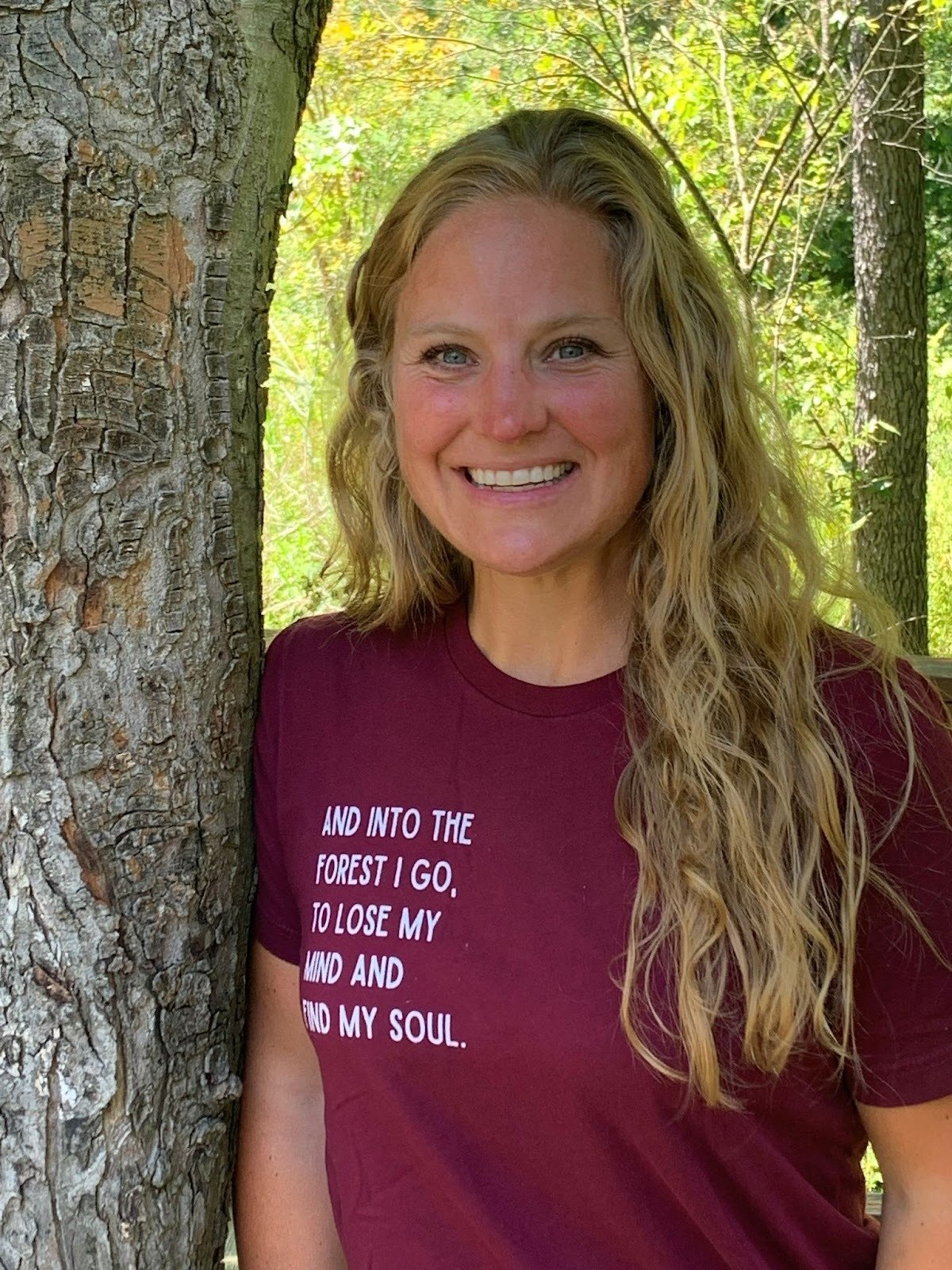
School-based nature educator Kyra Stephenson shares how she developed the nature-based learning program at her school in New York and shares stories about how this program promotes learning with her students.
Listen Now (direct link to listen in browser)
Links from episode
Children & Nature Network Resources for Schools
Nature Mind Solutions website
Rochester Ecology Partners website-partner organization mentioned in episode
Transcript
K Stephenson Dec2025
Scott Lee: Greetings friends and colleagues, welcome to The Thoughtful Teacher Podcast, the professional educator’s thought partner-a service of Oncourse Education Solutions. I am Scott Lee. If you would like to learn more about how we partner with schools and education organizations please visit our website at www.oncoursesolutions.net and reach out.
In our conversation today we meet Kyra Stephenson. Kyra is currently the Nature-Based Learning Coach at Anna Murray-Douglass Academy School #12 within the Rochester City School District, where she has successfully integrated a comprehensive nature-based learning program. A seasoned educator and New York State Master Teacher Emeritus, she is passionate about fostering a deep connection between people and the natural world, particularly in helping youth connect with nature. She is also the founder of Nature Mind Solutions LLC, a consulting company that helps educators integrate nature-based learning into their teaching practices as teachers promote holistic wellness, academic growth, and community building. Kyra has also been honored with the Seneca Park Zoo Environmental Innovation Award and the New York State Outdoor Education Association’s Outdoor Educator Award. We’ll discuss the program she runs in a few moments, but we start by discussing how she came to be a nature-based educator.
Welcome to the Thoughtful Teacher Podcast, Kyra.
Kyra Stephenson: Thank you, Scott. I really appreciate the invitation to be here today.
Scott Lee: Great. So, tell us first of off how you became interested in nature-based learning.
Kyra Stephenson: So, I think it really starts with, uh, love and my love for nature. For as long as I can remember, I always felt connected to nature, whether it was animals, whether it was plants, climbing trees, having my feet in a creek.
And, that led me long, long and about led me to becoming after college for a few years, a conservation biologist. And was working on a trumpeter swan migration project, was in a smaller community and was going around to different schools and different groups talking about our project and realized that I loved teaching about it.
And the spark of seeing kids get excited about something within our planet really drove me to then become a science teacher. I focused mainly on biology or what at the time in New York State was called living environment and earth science. And after teaching for, I would say probably 15 years, I started to notice that some of the basic things within biology were getting a little bit harder to teach because kids seemed disconnected. And it felt bigger than the cell phone thing. It felt bigger than the screen thing.
So, I had become part of the New York State Master Teacher Program, which was for educators in the STEM fields to do extra professional development. I was on my way to a meeting one day and heard a podcast that talked about Nature Deficit Disorder, and it kind of felt like that light bulb moment where it put all the pieces together, at least for me, thinking this might be what I've seen change within our kids over the last several years. So that afternoon I asked a group of other educators, does anyone wanna kind of dive into this? Especially as science teachers. Do we wanna read more into this? Do we wanna do some studies? Do we wanna try some things out and see if teaching outside with our students made any sort of impact? And that is when the ball just started to roll and I mean roll.
That was kind of a pivotal moment, I feel like in my life. You have those things where you're like, “this is where the road divided.” And that kick started something within me personally and passionately. It changed kind of how I was as an educator, how I've grown and learned as an educator and changed the trajectory of, of my life really.
So, from that moment, I had some wonderful friends at the school that I was at and we built an outdoor classroom and by built, I mean we borrowed my friend's pickup truck and threw a bunch of logs in the back of it. Went around town and said, “anybody take down a tree lately? You know, we'll take your logs in your boulders.”
And kind of surprised my administration said, “look what we built.” And started to just take kids outside. And even I'm in Rochester, New York, so no matter the weather, if it was just for a few minutes to talk about the directions of what we were gonna do in class, but at least do something outside every class period. And I, I noticed a change in students, whether it was excitement to just have a break to be outside. I also try to pull in some wellness and mindfulness within my teaching practice. I felt like that all tied together. So, I was doing that for a couple of years. And then the pandemic hit that changed a whole lot for everything, right?
Scott Lee: Oh, yes.
Kyra Stephenson: So, at the beginning of the school year for 2020, I had a wonderful principal that was really supportive of this crazy idea of mine that on Wednesdays. When students were not in the building, because at that point we were alternating students: you had the Monday, Thursday group, the Tuesday, Friday. Wednesdays there were not students in the building. And I said, “what if we got a bus and we took kids to different parks around Rochester?”
And at that point we were allowed to put 20 kids on a bus, and so I was taking 20 kids to different parks around Rochester. We were just kind of exploring our outdoor spaces and using that as, as our platform to teach from. And frighteningly, I got very, very sick in November and was out for the rest of that school year. So, personally. I utilized nature as part of my own healing; both physically and mentally. It was really scary. It was lonely and felt like the safest, most comforting place was my backyard. And so personally and professionally, all of that kind of came together and created what I really believe was where I was meant to be going in terms of my life work, and that was utilizing my connection with nature to support healing and our students and learning, and I got a phone call that August four years ago, from a dear friend of mine who now has a nonprofit called Rochester Ecology Partners.
And he said, “I was just in a meeting and have a wild idea. Give me a call.”
So, I called him back and he said, “how would you feel about being a nature-based learning coach at School Number 12 in the City of Rochester?” And at first, I thought this was a prank
because if I had written down what I would want to be when I grew up, it was exactly that. And I said, “well, that's weird because that doesn't exist.” And he said, “well, it will if you take the job.”
So, where the school is located is right next to a park called Highland Park, which is a county park. It's also part, it was part of the park is an Olmstead park. And as you look at where the school is situated
Scott Lee: and, and you're talking about, uh, [Frederick] Law Olmsted design park, correct?
Kyra Stephenson: Yeah. Correct. Yep. So, of all the places to start a nature-based learning program in the city of Rochester, this felt like the right place.
Scott Lee: Mm-hmm.
Kyra Stephenson: And so, what is it, three months into year four of having a nature-based learning program at a, a Rochester City school district. So that's kind of the. Quick, quick version of how this all started
Scott Lee: Uhhuh. So, tell us, a little bit more about the background of the school that you're working at or working with; types of students, , and the physical location. 'cause that's, that's important as well.
Kyra Stephenson: So, the school currently is pre-K, starting with three-year-olds all the way up through sixth grade. When I first started there, it went to eighth grade, also pre-K through eighth grade.
Last year they redistrict and put middle schoolers where they should be in a school year of seventh and eighth grade together. So, it went from pre-K through sixth grade. And what's unique about the school is it's also a dual language school. And so, at each grade level, we have classes that have students learning Spanish and English, and there are students that their dominant language is Spanish and there are students where their dominant language is English.
We also have a variety of self-contained classrooms, social communication classrooms. So currently I work with 42 different classes.
Scott Lee: Oh, wow.
Kyra Stephenson: Pre-K through six, which was is wild because I was mostly high school and middle school. So had to learn to give a lot more hugs than I ever have before, I think in my career. Which is totally fine. Totally fine. So, where it's located is in what's considered the South Wedge neighborhood of Rochester, New York. Not far from the University of Rochester so it is an urban setting. The way we'll say we are privileged to have surrounded by wonderful green space because of the location of Highland Park.
Scott Lee: Mm-hmm. We'll talk about more specifically about the nature-based learning program itself in just a minute. But something else that I've noticed that Rochester has that's different from any place else I've ever seen is there's a children's outdoor bill of rights. Tell us what that is and how did that come about?
Kyra Stephenson: Sure. So yes, it has a Children Outdoor Bill of Rights or what we call the COBOR. And this was designed several years ago, actually before I was even involved. And it was a collaboration between the mayor's office, the city, the Mayor's Youth Advisory Council, the Seneca Park Zoo, and the City's Connecting Children to Nature Initiative. And the Children and Nature Network as well. And it was developed by this collaboration in terms of creating a list of nature connected activities for all children in the city of Rochester with the belief that all children have the right to be able to have these experiences. And so, they range from riding a bike, learning to fish, being able to see the stars, learning about nature in your neighborhoods. And it's really a tool, I would say, designed to drive programming and funding and connection with community. So, a couple of years ago I was asked to be on the Nature Everywhere advisory team.
I would say with revitalizing this COBOR and figuring out how to get 40,000 youth, which I, I believe that number is about 40,000 school age youth in the city of Rochester, and that is not just the city of Rochester schools. It, it covers all of homeschool charter schools, private schools. So how do you get 40,000 youth involved in the COBOR? Yep. It's a big job.
So, what we have started to put into play is every other month we're gonna to be doing collaborations where groups or people or, or neighborhood communities wanna come together and figure out how does this group help support the COBOR? So, it'll be a space where community members are coming together in order to meet the vision of the COBOR.
So, if it is a group that…their mission is to get every kid with a fishing pole in their hand at least once. Right? Right. They might be able to come and say, “Hey, this is what we can do. We can help meet this part of the Cobo, and we can then work with such and such that'll work with such and such, and, and it could also be kind of within zones of the city.”
So really trying to pull people together that are doing this work and giving them time and space to collaborate so that we can make sure that the COBOR is met.
Scott Lee: Uhhuh. Yeah. And just for a little background, does Rochester, the city, have its own school district?
Kyra Stephenson: Yes. Yep. Okay.
Scott Lee: So, there's not a larger county district outside of the city that, that the city schools are part of. I know in some, in some states it's countywide school districts. So, a couple of interesting things that I think about. First off being from Southeast Tennessee I noticed one of the things in. Rochester's Children's Bill of Rights is Children's get to play in the snow, which where I live would not necessarily be included. But it is interesting to me that this is a lot bigger than just the school system. This is something that the entire nonprofit community is involved in, right?
Kyra Stephenson: Could be, yes. Right. Because it is for every city youth. Every, every child that lives within the city of Rochester, this was designed for and with, I mean, this came from voices, from children who believe that these were the things, in Rochester, New York, every child should have the opportunity to play in the snow. It really needs to be the collaboration between the school district, because I think within the school district, we, we have about 20,000, so half of the youth are with our, in our schools.
Our rec department with the city plays a huge role in this.
Scott Lee: Mm-hmm.
Kyra Stephenson: And their recreation programs are designed with the COBOR in mind as part of our nature-based learning program. We work with Rochester Ecology Partners that does a whole piece on the COBOR. So, we just did a lesson with them a couple weeks ago. We're just walking around our campus, where our school is located. How many parts of the COBOR could be met and how,
Scott Lee: Uhhuh.
Kyra Stephenson: So yes, you could come to school at night and see, see the stars. You're not gonna see as much as you might see in a rural area. Right, right. But so how could we do that? Okay. We would do a nighttime program at school. Um. So, it really has to be a collaboration of, of the, of the community.
Scott Lee: Mm-hmm. Yeah. That is, such a great idea. And, I wish more people, or more communities would do that. So, that's, I think really helpful for a lot of people.
Kyra Stephenson: If you go on The Children in Nature Network website.
Scott Lee: Mm-hmm.
Kyra Stephenson: They have a list of where all the different cities are across the country that are involved in this.
Scott Lee: Okay. Yep. We'll be sure put a link to that on the website too.
Kyra Stephenson: Absolutely. There's cities across the United States and, and really what I think is wonderful about it is it's unique to the community's needs. So, different cities, their cohort boards are gonna look different depending on, on the needs of the community and where they're located and the voices of the, of the children, which is what I think should hold, hold the most weight in that, right?
Scott Lee: Yeah. Yeah. So, let's talk specifically about how the Rochester Nature-based learning program operates. How, how does that work? And I guess, what would a typical day look like for you?
Kyra Stephenson: So, the first two years were very much about invitations. So, teachers that wanted to participate and I wanna say be part of the science experiment they would request a nature-based learning lesson, and we would work together to design what that lesson would look like or what they wanted to focus on in terms of meeting the standards in the curriculum. We did that for two years, which was a wonderful way to do it because there's no manual for this that was given to me or somebody else that I could call upon to say, you know, how are you doing it in your city school district? So we were, working together with some community partners. Kind of as a small team putting ideas together-I used to joke like we're building a plane with parts that we're not sure are for a plane or if we are even building a plane and was learning a lot that like doing laundry does take time and that is part of the job, right?
So, last year, we started where every teacher does nature-based learning, and I was a little apprehensive about that because teachers are asked to do more and more with less and less. If you look at the minutes required to do things, I don't even know if it adds up correctly in terms of the time that we're facing children. So, I was concerned about that. But on the other hand, the administrator at the time was correct in that every child deserves to have these experiences and that in order to be equitable we need to have every child doing this. Parents as well; parents were wanting to make sure that no matter who their teacher was, they had the opportunity to do nature-based learning.
So, all 42 classes have nature-based learning on a three-week rotating basis.
Scott Lee: Mm-hmm.
Kyra Stephenson: And the classes are Monday, Tuesday, Wednesday, Thursday, and the same grade will be at the same time, but a different day. So, let's say third grade is from 9:30 to 10;30, but a different teacher every day. It's always an interesting thing because I'm not a scheduler and there isn't really a computer program that I know the helps with this, but I basically look at the master schedule and try to figure out where I can put classes that don't interfere with specials and lunch and interventions and things like that. And it mostly works out. Mostly works out. Yeah.
Scott Lee: Mm-hmm.
Kyra Stephenson: And lots of, lots of moving parts, but I will shout out. Our teachers from, they are just incredible and they, they work together and they work with me and they try very hard to make sure that all the needs are met in terms of scheduling and trust that this will work.
Scott Lee: Mm-hmm.
Kyra Stephenson: And I also try to push to make sure that it stays true to what I believe we need for a nature-based learning lesson. So, most of the lessons are about an hour long.
Scott Lee: Mm-hmm.
Kyra Stephenson: Because you need that time. Right. And that time is not just for in the winter getting gear on, but it's also putting the value on the time for our students to deeply connect with nature. So being able to stop change whatever we are doing to watch birds fly in the snow yesterday morning because the students were fascinated that it was snowing. The birds were still flying.
Scott Lee: Right. And, and just so you know, we're, we're recording this in early November. It's, it's unusual even in Rochester to have snow this early in the year, right?
Kyra Stephenson: Yep. Yep. Little bit. Yeah. We're pretty, we're a little bit early sometimes now it's been around Thanksgiving, so this is. A little bit early, right? Yeah. So, 42 classes, three-week rotation was the way to make it work with having a day two to either make up classes, have meetings, water all the plants, take care of the animals.
The classroom that was designed to be what was my science classroom 'cause I did teach one science class for eighth graders. The first two years has now been turned into a nature center. So, there is a ton of gear to manage, supplies to manage planning to happen, lesson plans, to write connections with community partners. We have over a dozen plus community partners that support nature-based learning in some manner.
Scott Lee: Mm-hmm.
Kyra Stephenson: There's a lot that goes into all of this in terms of the logistics.
Scott Lee: Yeah. Yeah. And just kind of as an aside that, a lot of particularly administrators who might be listening need to understand is how many external partners are sometimes necessary to, to do this. Somebody will call me up and say, “oh, I wanna start a school garden.” You start talking about all the things that you need. I think it is worth mentioning how important those community partners are there.
Kyra Stephenson: There really is. No way to do it in terms of how robust and engaging our program is. We have 800 students in our school, so this is 800 students doing nature-based learning every three weeks. So, we have the support of local universities. So, the University of Rochester, part of their property backs up to the back of our school. And they put in a gate a locked gate. We have the key: the kids love it 'cause I have like the magic key to utilize their property where their horticulturists, they've put in trails for us. We partnered with University of Rochester, Rochester Ecology Partners, which is an environmental landscaping company to do this whole pollinator garden. It is within these giant logs and almost like a playscape as well. So, we work with RITC Grant. I'm, I'm afraid to even mention the partners because I'm gonna leave somebody out.
Scott Lee: You’re going to leave somebody out?
Kyra Stephenson: I'm gonna leave somebody out. Yeah, but the, but the point being is that, there are so many people that, that want to help our children. There are partners that, are involved with education, the environment. This is a wonderful way to make this a collaborative process and utilize all the expertise that are out there that I don't necessarily have as well.
Scott Lee: Mm-hmm.
Kyra Stephenson: So, from New York State Parks to Seneca Park Zoo, to our community gardens, to all the different universities, Brockport, RATI mentioned a couple others, so that is one way to do this. Is to really reach out and, and so many people want to help. I think they just need the invitation to come to a school.
Scott Lee: Yeah, that's kind of a- I think important, yeah. To remember A lot of times potential partners, have no idea what to do how to go about the process.
And I know a lot of school districts, “oh, we want your help.” But finding the point person even to ask a question is sometimes, sometimes difficult. So, what kind of data or assessment, do you have on your program’s success?
Kyra Stephenson: There's a lot. I mean, it's from little things in terms of words and conversations that students are having to their, to their learning. So, I would say one of the biggest things that jumped out to me, particularly because I came from a science education background and wasn't necessarily versed in reading and writing with elementary students, right?
Scott Lee: Mm-hmm.
Kyra Stephenson; That wasn't my, my training.
Scott Lee: Yeah.
Kyra Stephenson: Was the engagement in writing.
Scott Lee: So I was one of those students all through school that anytime there was a writing assignment, it was kind like, ugh, you know, 500 words. Oh no. Yeah. Right.
Kyra Stephenson: How can I, how can I answer this in the shortest amount of words possible, you know?
Scott Lee: Mm-hmm.
Kyra Stephenson: But what we started to notice was that the shared experience. And the, the connection with nature gave every student an opportunity to write down something.
Scott Lee: Mm-hmm.
Kyra Stephenson: And so, it's been a way to meet every child where they're at. So, this year we have, every student has a nature journal. We're really trying to make sure that there is time with every lesson that they have an opportunity to write. And that writing does include drawing as well.
Scott Lee: Right.
Kyra Stephenson: And sketching something that they have seen, which eventually then leads into a lot of that modeling that we do in the, in the science world.
And so, if you were connected today with one of our lessons is, is about informational text. And so, what was the, where is the information coming from? And so, if you saw, let's say you saw the squirrel in a certain location where that squirrel is, is giving you information, right? And so, drawing that and writing about it has been a wonderful tool to, to help kids with their learning and nature-based lessons.
And I stress all the time that these nature journals are not graded.
Scott Lee: Mm-hmm.
Kyra Stephenson: So, this is a completely free place to take risk. So, try to spell it the way that you, you think it should be spelled. Write your ideas. This is a non-judgmental as though, yeah. Right? So, you can write what you think.
Consistently saying that message around their nature journals, I think has opened up, , some freedom within their learning. So, I would say that the engagement in writing to me is huge.
Scott Lee: Well, you've got- if I can interrupt quickly, if I'm a teacher that's such a rich thing to pull from, to start to, to build the more formal writing process anyway.
Kyra Stephenson: Mm-hmm. Exactly, exactly. And we have classes that have these journals for the third year, and so,
Scott Lee: Oh, so it's the same journal multi-year?
Kyra Stephenson: That's what we're trying. So, some of the classes, we have a handful of classes that have had these journals now for three years. And the goal this year is to make sure that these journals stay with the kids. So, you really can see the growth, as we move forward.
Scott Lee: Mm-hmm. As just an aside- problem that I think about is continuity from one year to the next. We look at how much is lost in transition from one year to the next with kids. And so, doing that would have to be huge. Of having that continuity available and, and the learning continuity for the kids would, would have to be hugely helpful.
Kyra Stephenson: Absolutely. I, I noticed yesterday, a second grade student who was new to our country last year, and so remembering where he was at a year ago with his writing. Especially in English. So came as a Spanish speaker, and so writing in English, obviously there was minimal Right. Ability when they first arrived. Right.
Scott Lee: That makes sense. Mm-hmm.
Kyra Stephenson: And then looking and watching him write yesterday was amazing and being able to celebrate that growth with that student. Now we're talking about self-esteem. Right. And, and the importance of being able to take risk as a learner and communication. That is where I value the academic growth with students.
Scott Lee: Mm-hmm.
Kyra Stephenson: Yeah, and then we can talk too about their ability to be able to communicate what they, they think energy, excitement, engagement, discovery, inquiry, curiosity. I put all of that together and I, I borrowed this term a couple years ago from a friend of mine who was part of the Urban Ecology Centers in Milwaukee. The way I describe it is “radical joy” when you feel and see all of the energy and the noise, and there's so many questions being asked, and I, I love when kids are asking so many questions that you can't answer them and you don't need to answer them, and they just go one after another after another.
And they're noticing things and they're making connections. This is where it is the radical joy of being able to learn. And so that is a huge part of the nature-based learning classes that we see.
Scott Lee: Mm-hmm.
Kyra Stephenson: And then when kids have communicated why they like nature. Or why do they want to know? Every single day I get a question, “when is, when do I get to see you? When is our nature-based learning lesson?” And I have to say, “who's your teacher?” And then I have to think about the schedule. Our students will say that they feel free. And the first time I heard that was from an eighth grader three years ago, and it almost took my breath away because I wasn't expecting that word to be used.
To describe how, much and why they appreciate nature-based learning. And when they said that word, I thought, well then how are we making them feel the rest of the time?
Scott Lee: Right.
Kyra Stephenson: And, and what are we doing? Because if this is, when they say, “I finally feel free,” that was, it was it was a range of….I was like almost frightened, but also celebrating because okay, this is the power of nature-based learning, but holy cow, do we have a lot of work to do because that's how a student should feel when they're learning.
Scott Lee: Yeah. Yeah. And this is, and you mentioned this was an eighth grader, which means that it was at least counting kindergarten their ninth year of school.
It's one of those things. School is artificial. It's an artificial construct.
Kyra Stephenson: Mm-hmm.
Scott Lee: There's no way to totally get away from that. I mean, there, there, there are social necessities to have schools organized in some way, like we have them, but oftentimes visiting schools. I think that the, the artificial part is too much. And speaking to your point about students saying that they feel free is, is really powerful.
Kyra Stephenson: Yes. Yes. And I think that is what that drives me on a daily basis is to remember that moment of that student saying that, because it, it is, it's, it's, it's so powerful. It's so powerful to hear that from a child.
Scott Lee: Yeah, yeah, yeah,
Kyra Stephenson: yeah.
Scott Lee: We, we just need to leave that there and not, not keep talking about that.
Kyra Stephenson: Right,
Scott Lee: right. Yeah, if you're listening, pause right now and just think about that. For a few seconds and then un-pause and, and we'll finish the rest of our conversation.
So, a question that I think might be coming in a lot of teachers' minds right now is, “what do I do if all I have for outdoor space in my school is a big parking lot?” That's it. School surrounded by a parking lot, surrounded by concrete. Maybe even surrounded by other buildings, “I've got nothing that looks natural.” What do I do?
Kyra Stephenson: Okay, well, first of all, go outside. Open the door and go outside. That's what I, what I always say. Joking or not really honestly, go outside. I taught a workshop a couple years ago in Ledger State Park, which is a beautiful state park in New York to a majority of New York State environmental educators who work at all different parks across the state or across the region. And we're in this gorgeous place. And I said, “all right, let's go into the parking lot.” And I did that intentionally because they need to remember that not everyone and not all of our children have access to these green spaces, that they have the opportunity as adults to work in.
Scott Lee: Mm-hmm.
Kyra Stephenson: And within that parking lot, the lesson was designed around micro right micro nature, basically from micro to macro. So, look, looking for any nature that they could find within the blacktop. And it was awesome because they found seeds, they found evidence of nature. They found dried berries, they found insects. They noticed the wind, the sky, the sounds that they could hear. And, and that is just a reminder to, to educators that are in this field in terms of teachers.
I think it's important to remember that yes, ideally. Nature-based learning is designed in order to help students create a deep connection with nature so that they will care about nature and help this planet. Right? It's part of the healing process of, of becoming one with nature and, and understanding that we are not top-down species. We are a part of nature. We are nature. But when I think about what the foundations for nature-based learning are for, for us and where I am. Rochester Ecology partners and myself sat down and we kind of came up with what is nature-based learning, and there's three foundations. So, it's academic growth, holistic wellness, which I like to think of like your brain, your body, your heart.
Scott Lee: Mm-hmm.
Kyra Stephenson: And, and then community connection with people and planet. And so, some of it just might be the holistic wellness part of taking a textbook or a math worksheet or something and just go sit outside. So can you get yoga mats donated? Cut them up into thirds every kid, go grab your third of a yoga mat and go sit outside along the edge of the sidewalk.
Scott Lee: Mm-hmm.
Kyra Stephenson: And at least be doing your work or at homework or something and reading outside. Yeah. Because being in that fresh air, having sunlight, removing the walls around you changes how you are as a person. And so, getting some of that exposure is helpful as well.
Scott Lee: Mm-hmm.
Kyra Stephenson: Even 20 minutes, and there are studies and people can look them up that. Having something in the classroom in terms of pictures of trees and plants and greenery does have an impact as well. I would argue that yes, that's the bare minimum,
Scott Lee: right.
Kyra Stephenson: But there's, there's ways to do this everywhere, no matter what.
Scott Lee: Mm-hmm.
Kyra Stephenson: Uh, I spoke with a teacher who was in the Buffalo area and said that they didn't have access to a lot of nature, but they could hear nature. I don't know where they were located. I, I don't know if it was, I mean, Niagara Falls is obviously that direction, but I know they weren't close to it, but, right? Can you hear what can you, what can you hear and what can you see? Mm-hmm. And even the wind blowing.
Scott Lee: Yeah.
Kyra Stephenson: And there's science behind that. There's, there's social studies and indigenous stories that can be, that can be taught with. Nature is found everywhere. Give yourself time to use your senses in order to, to find it. I, I spoke with another teacher who's a Rochester City School district teacher, and, and it was even walking down the street of the neighborhood because there was a woman who had different potted plants outside their house. And so, this teacher's idea was, oh my gosh, I wonder if I go talk to them and say, “hey, can I bring up my class to come look at your plants?”
Scott Lee: Yeah.
Kyra Stephenson: And even in the fall and the winter, what's in the soil?
Scott Lee: Mm-hmm.
Kyra Stephenson: So, it's just about being creative and again, those community partners, what can be brought in or near. Or support students in going places as well. We try very hard to make sure that our students get other opportunities that are not just within the walking distance of our school.
Scott Lee: Mm-hmm. And I do think about, the parking lot problem is not just for urban schools. I've taught in a rural school the entire campus that wasn't a parking lot was an athletic field. And that was it. Bisected on two sides by highways. So that, that's not strictly, an urban school problem as well. That can be for anybody anywhere. So, can you just tell us a story about a student or a group of students that really, that really gets you jazzed?
Kyra Stephenson: There's, there's almost something every day. It, it's, somebody just asked me recently what my favorite lesson is to teach, and I was like, “oh, there just isn't one.”
And it's amazing how nature will work with you. So, I guess maybe I have two recently. Because there's always, you know, there's always one, but, uh. Well, well, generally my favorite thing now is there's definitely evidence of the culture shift within our school. So when I first got there, it was kind of like this radical, like, “what are we doing?”
We're going outside. And kids were, were not used to it. There was fear around going outside, even crossing the parking lot. Like, “where are we going? We're going away from the building.” And. Now I am hearing more and more stories from the teachers- students either throwing a teacher under the bus for killing a bug, which that has happened.
So, I have had a teacher come to me and say, “listen, the kids are gonna come tell on me. We had a situation, I, I killed a bug by instinct, and they all kind of jumped back and went. Stephenson is gonna be so mad.” You know, “we, we don't harm nature, we help nature. And that's a living being’” and, and using those words.
So, I think hearing those constant stories of, “we borrow from nature.” So, another teacher brought in different nature artifacts we call them. So, leaves and sticks for a math lesson. So, they were gonna bring, they brought 'em into the classroom, they were measuring them, and she said to them, “okay, you can go put them in the garbage.” And they went, “we don't do that. We return to nature. Nature belongs in nature.” So, all of those little things that are now part of the discourse within our school has completely changed the culture of our school. This is a place where we are the guardians of nature. We are the protectors, we are the ones speaking for, for living beings that don't have the same voice that we have.
And that's really starting to be woven within the fabric of our school. So that to me is just amazing to experience. But then there's also the things where last week I took fourth graders out and. I had mentioned before that we have access to, it's actually the provost in the President's house property of the University of Rochester. The president of Rochester's husband heard about what we were doing, and he's a professor at the U of R and said, “Hey, would you like a key to our backyard?” Which probably one of the best gifts I've been, had the privilege of accepting.
And so on this property and we're in this city. But there's coyote, there's fox, there's skunk, there's turkey, there's deer. And it's one thing to say it to students and say we have urban wildlife. It's a totally different to experience that with students. New York, fourth grade is all about New York State. And from geology to history. And so, we're working on who are the people who lived here and how did they live with nature, and talking about how we can be grateful and show gratitude for all different living things. So, we're turning the corner on this path, and there are two turkeys standing right there. To a fourth grader and to a turkey-they're similar in height, you know?
Scott Lee: So, yeah, I guess so, right?
Kyra Stephenson: Yeah. Yeah. And watching their faces watch this animal, and then knowing that they, we always talk about having calm body and calm voice within nature because you are a guest there and there are living beings doing what they need to do to survive. So, watching a whole class get excited. Their minds blown, but keeping calm body and calm mind because of the respect they have for those animals was beautiful. And watching the turkey like flap their wings. And so, then you could see they're like, how do they fly? Where do they fly? And asking all those questions.
Then we continued on a little bit, nice and slow using our fox feet. And there was standing a buck with this huge rack. And the kids are mimicking 'cause they're trying not to talk and their eyes are as big as saucers. And, we're continuing on and continuing on. We saw three doe and we get to our outdoor classroom and they're getting their journals out and writing all these things.
And the teacher looks at me and goes, “how did you do that?”
That's the beauty of nature.
Scott Lee: And this is what nature, this is not a zoo.
Kyra Stephenson: Right. And so, it's, there's something every day that reminds me again that this is what it's like when students feel free to learn. Mm-hmm. This is what academic growth should look like. This is the power of nature-based learning. It's the, it's the leveling the playing field. It is accessible to every child, no matter what. We don't have behavior problems. There's full engagement and this is what makes all the hard work worth it really. So there, there's a story every day and I invite people all the time, like, come watch it. There's something beautiful every day.
Scott Lee: Well, great. So, we'll put some links on our website, but where can people go to find out more or what, what are some resources you would suggest?
Kyra Stephenson: Sure. So, our school website, Anna Murray Douglas Academy School Number 12, if you just Google that on our website, we have a whole link to our nature-based learning program where there's a ton of information on there from resources to wanting more information personally from us to video. Then my own, Nature Mind Solutions. I'm starting to work with educators and districts into growing this and how to do this no matter where you're at. So, I have my own company as well. And then social media, as much as I have a love hate relationship with it we're on Instagram and the kids did convince me we are on TikTok and they are actually doing a Fresh Air Friday Challenge every week. They are challenging people to get outside for 20 minutes on Friday, and they will give you ideas on what to do in order to connect with nature on Fridays.
So, plenty of resources in terms of research and things like that too. I would highly recommend that people start with Children and Nature Network. They have a whole link of research and resources that really talks about, the science behind why this is what we should be doing for all of our children.
Scott Lee: All right. Well, thank you so much for joining us today, Kyra.
Kyra Stephenson: Oh, it was absolutely my pleasure. Scott, again, thank you for the invitation and the last thing I can just say is get outside and enjoy some nature.
Scott Lee: Oh yeah.
The Thoughtful Teacher Podcast is brought to you as a service of Oncourse Education Solutions. If you would like to learn more about how we partner with schools and youth organizations strengthening learning cultures and developing more resilient youth, please visit our website at w w w dot oncoursesolutions dot net. Also, please follow me on social media, my handle on Instagram and Bluesky is @drrscottlee and on Mastodon @drrscottlee@universedon.com
This has been episode 13 of the 2025 season. If you enjoy this podcast, please tell your friends and colleagues about us, in person and on social media. Also, five-star reviews on your podcast app helps others find us. The Thoughtful Teacher Podcast is a production of Oncourse Education Solutions LLC, Scott Lee producer. Guest was not compensated for appearance, nor did guest pay to appear. Episode notes, links and transcripts are available at our website w w w dot thoughtfulteacherpodcast dot com. Theme music is composed and performed by Audio Coffee.